
Alcohol’s Impact on Your Immune System and Recovery
Additionally, alcohol abuse can lead to high blood pressure, which increases the risk of heart disease and stroke. The immune system plays a crucial role in protecting the body from infections and diseases. Alcohol consumption can weaken immune function, making the body more susceptible to illnesses. However, there are strategies and services like alcohol addiction treatment available to help individuals boost https://thecaogiasi.com/2025/09/03/relapse-cycle-prevention-addiction-treatment/ their immune system and counteract the negative effects of alcohol consumption. Excessive drinking, including binge drinking, disrupts the production of cells that help your body fight off viruses and bacteria. Engaging in excessive drinking over time also affects your body’s ability to absorb important nutrients, which can further impact your immune system.

Short-term Effects of Alcohol on the Immune System
Moreover, alcohol affects the production of cytokines, the signaling molecules that help coordinate the immune response. Chronic alcohol intake can lead to an imbalance in cytokine levels, promoting inflammation and weakening the body’s ability to respond effectively to infections. This dysregulation can result in prolonged or excessive inflammation, which damages tissues and impairs healing. When we talk about how alcohol consumption weakens the immune system, it’s important to understand the underlying science that explains this connection. The immune system is our body’s natural defense against infections and diseases, but alcohol can interfere with its ability to function properly.
- While your immunity suffers some consequences of alcohol use almost immediately, other dysfunctions might emerge over time.
- Sign up for our Newsletter and receive the latest on addiction treatment news.
Take the First Step Toward Recovery!
People report drinking far alcohol and immune system more frequently and earlier in the day than they did pre-pandemic. Frequent colds, fatigue, slow wound healing, and recurring infections are common signs that your immune system may be compromised—especially if alcohol is a factor. It varies depending on drinking history and overall health, but improvements often start within a few weeks of sobriety, with more significant recovery occurring over several months.
Potential Health Risks
Understanding this connection is crucial, especially if you want to maintain your health and reduce the risk Alcoholics Anonymous of infections and long-term complications. To maintain optimal health and immune system function, it is crucial to practice moderation when consuming alcohol. In fact, a huge percentage of the body’s immune cells are found within the gastrointestinal tract.
Weakening the Immune System
Healthcare professionals usually advise caution since even occasional binge episodes can cause temporary dips in immune defenses that increase infection risk. These biochemical alterations explain why even moderate drinking can tip the balance toward poor immune performance over time. The gut hosts a vast community of beneficial bacteria essential for training and regulating the immune system. Alcohol disrupts this microbiome balance by killing good bacteria and allowing harmful species to flourish—a condition known as dysbiosis.
How Alcohol Weakens Your Immune System: What Every American Should Know
However, alcohol consumption can reduce the production of these essential cytokines, making it harder for the body to fight off infections. Furthermore, alcohol abuse can also lead to a buildup of fat in the liver, known as fatty liver disease. Fatty liver disease has been linked to an increased risk of infections, including pneumonia and sepsis.
- Your immune system is your frontline protector—treat it with the care and respect it deserves.
- In particular, ‘binge drinking’ is on the rise in the US and around the world.
- It was uncovered that “drunk” cells possessed only one-quarter of the efficiency to fight bacteria and viruses than “sober” cells.
- Alcoholic liver disease can weaken the immune system by reducing the liver’s ability to filter out harmful substances from the blood.
- Alcohol affects the way health gut microbes interact with the immune system.
- Learn to recognize common warning signs of a weak immune system so you can support your immune health naturally and proactively.
In this article, you’ll explore the effects of alcohol on your body when you’re sick. Understanding how beer interacts with your immune system and overall health can help you make better choices during those tough days. By the end, you’ll know whether that drink is a comforting companion or a risky decision. Immune cells known as macrophages aid the work of your lungs to clear the pathogens and debris. These cells are also damaged by alcohol and therefore become less effective in clearing infections. This predisposes one to respiratory infections, bronchitis, pneumonia and other lung-related diseases.
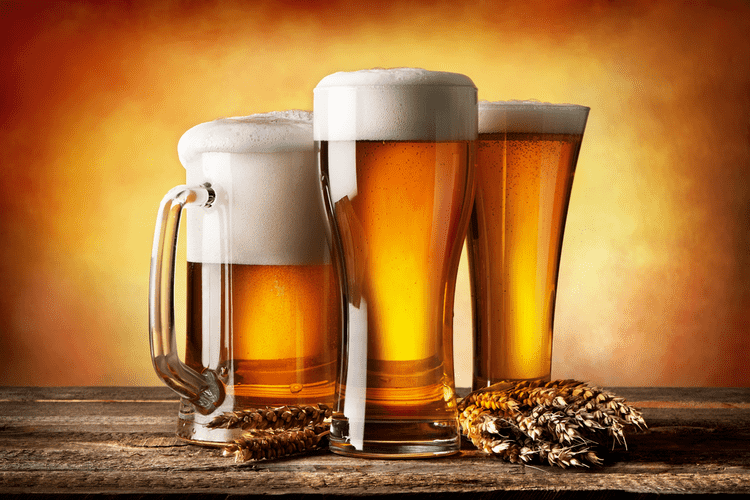
Whether you enjoy a small drink every once in a while, or partake more regularly, did you know drinking alcohol has negative effects on your immune system? Binge drinking and long-term alcohol use increases the risk of lasting damage, leading to longer recovery time and intensified symptoms when you have an infection. For some, especially those who have developed a pattern of heavy drinking, alcohol use disorder may be the underlying issue. AUD is a chronic disease that impacts both physical and mental health, often leading to a weakened immune system due to long-term alcohol exposure. Some signs of AUD include the inability to limit drinking, continued alcohol use despite health problems, and experiencing withdrawal symptoms when not drinking. Acute (short-term) drinking, such as binge drinking episodes, causes immediate but temporary suppression of immune functions.