
The psychology behind risk-taking in casino gambling
The psychology behind risk-taking in casino gambling
The allure of risk-taking
Risk-taking in casino gambling is deeply rooted in human psychology, stemming from our evolutionary need to explore, seek rewards, and experience novelty. The thrill of potentially winning large sums of money taps into the brain’s reward system, releasing dopamine, a neurotransmitter associated with pleasure. This chemical response can create a cycle of excitement, encouraging individuals to engage in further risk-taking behavior. Interestingly, Wild Tokyo offers an unpredictable gambling experience that adds an additional layer of allure, making each decision feel unique and exhilarating.
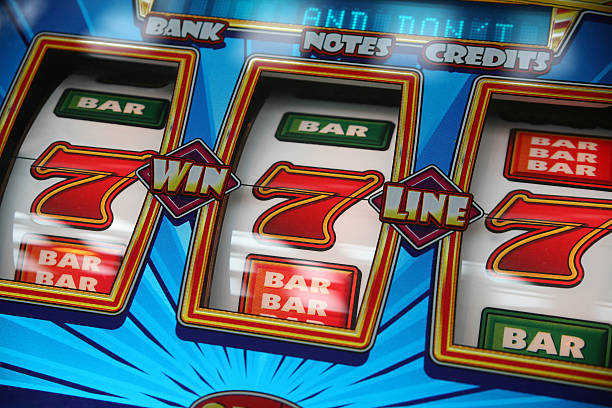
Moreover, the ambiance of a casino plays a significant role in promoting risk-taking behavior. Bright lights, engaging sounds, and the presence of other players can enhance feelings of euphoria and excitement. This environment can create a sense of community, fostering a collective desire to take risks. Social interaction can amplify emotions, making players more inclined to increase their stakes as they feed off the energy around them, reinforcing the thrill of the gamble.
Interestingly, studies have shown that individuals’ propensity for risk-taking can also be influenced by their personality traits. For instance, those who identify as sensation-seekers are more likely to engage in high-risk gambling activities, seeking the adrenaline rush that accompanies such risks. Understanding this psychological profile can provide insights into why certain individuals are more drawn to gambling than others, highlighting the intricate interplay between personality, environment, and the desire for reward.
The role of cognitive biases
Cognitive biases significantly influence decision-making in casino gambling, often leading players to take greater risks than they might otherwise consider. One such bias is the “gambler’s fallacy,” which is the belief that past outcomes can affect future ones in random games of chance. For example, if a player experiences a series of losses, they may feel that a win is ‘due,’ prompting them to increase their bets. This fallacy can result in significant financial losses, yet the belief persists, fueled by the desire for a payoff.
Another bias, known as “loss aversion,” plays a crucial role in gambling behavior. People tend to prefer avoiding losses over acquiring equivalent gains, which means that the fear of losing money can often drive riskier decisions. In the context of gambling, this may manifest as a player doubling down on a losing streak in an attempt to recover their losses. Such behavior can lead to a cycle of chasing losses, further entrenching individuals in the gambling experience.
The phenomenon of “illusion of control” is also prevalent among gamblers. Many believe they can influence game outcomes through skill or strategy, even in games that are purely chance-based, like slots. This belief in personal agency can encourage players to take risks they might otherwise avoid, as they feel empowered by the notion that their choices can affect the outcome. This psychological illusion can significantly impact the way individuals engage with gambling and their willingness to take risks.
The impact of emotions on gambling
Emotional factors play a critical role in risk-taking behaviors in casino gambling. The euphoric highs of winning can create an emotional rollercoaster, often leading to impulsive decisions. Players may become so enveloped in the excitement that they lose sight of rational thinking, leading them to wager more than they can afford. This emotional response can cloud judgment, making it difficult for individuals to recognize the inherent risks involved in their gambling activities.
Conversely, negative emotions can also drive risk-taking in gambling. Individuals may gamble to escape feelings of stress, anxiety, or depression, seeking solace in the potential for a financial windfall. This emotional coping mechanism can lead to a vicious cycle; as losses accumulate, negative feelings may intensify, prompting even more gambling in an attempt to alleviate those emotions. The interplay between emotion and gambling creates a complex relationship that can be difficult for individuals to navigate.
Additionally, the concept of “variable reinforcement” in gambling further complicates emotional responses. Unlike traditional reward systems, gambling provides intermittent rewards, where wins are unpredictable and not guaranteed. This unpredictability can create an emotional attachment to the game, as players continuously chase the next win. The rollercoaster of emotions involved can lead to compulsive gambling behaviors, blurring the line between recreational activity and addiction.
The social influence on gambling behavior
Social dynamics play a significant role in influencing risk-taking behaviors in casino gambling. The presence of peers and social interactions can significantly impact an individual’s willingness to gamble and the amounts they choose to wager. Casinos often create an environment conducive to socializing, where players feel encouraged to join in and share their experiences, often leading to increased risk-taking. The communal atmosphere can amplify the excitement and thrill associated with gambling, making it more enticing.
Furthermore, the normalization of gambling in certain social circles can desensitize individuals to its potential risks. When gambling is a common pastime among friends and family, individuals may feel more comfortable engaging in risky behavior. Social media has also played a role in promoting gambling culture, with influencers and celebrities often showcasing their gambling experiences. This can glamorize gambling, encouraging others to take risks they might not otherwise consider.
Lastly, the shared narrative around gambling can further reinforce risk-taking behavior. Stories of big wins and life-changing jackpots circulate widely, creating a sense of optimism and possibility. This social reinforcement can lead individuals to believe they too can experience similar successes, prompting them to take risks in hopes of achieving their own tales of fortune. In essence, social dynamics can significantly shape the way individuals perceive risk in gambling, ultimately influencing their decisions at the casino.

Wild Tokyo Casino: A vibrant online gaming experience
Wild Tokyo Casino stands out as a premier online gaming platform, catering specifically to Australian players seeking an exhilarating gambling experience. Launched in 2020, it combines a vibrant Tokyo-inspired interface with a vast selection of over 8,000 real-money games. This extensive library includes everything from engaging pokies to interactive live casino options, ensuring players have access to a wide array of choices to suit their preferences.
Moreover, Wild Tokyo Casino prioritizes user experience, offering fast deposit and withdrawal processing times, averaging between 24 to 48 hours. This focus on efficiency enhances player satisfaction, allowing them to immerse themselves in the thrill of gaming without unnecessary delays. The platform also features generous welcome bonuses and ongoing promotions, providing both new and returning players with added incentives to explore various gaming options.
In conclusion, Wild Tokyo Casino embodies the essence of excitement and variety in online gambling. By understanding the psychology behind risk-taking, players can make informed decisions while navigating the gaming landscape. The casino offers a unique blend of entertainment, convenience, and community, making it a top choice for those looking to indulge in the captivating world of online gaming.


